
What is Ground Water?
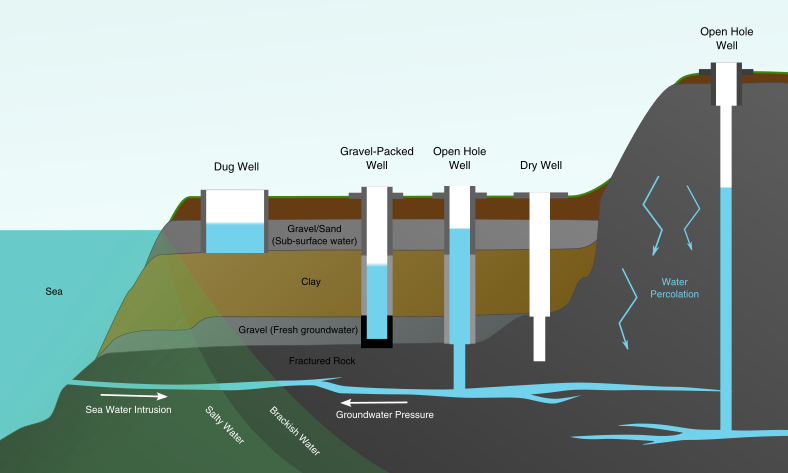
Ground water
is water below the land surface that fills the spaces between grains of sediment
and rocks, or fills cracks and fractures in the rock. Saturated zones in
sediment such as sand and gravel, and in fractured rock formations, that
receive, store, and transmit water to wells are called aquifers.
Clean and plentiful ground water is a vital resource for
personal and economic health everywhere in the
Ground water is a safe, economic and environmentally
friendly resource. We don't need to dam up rivers and disturb ecology to store
water. Mother Nature has made the rocks of the earth as a natural storage place
for ground water. We can all play a role in protecting
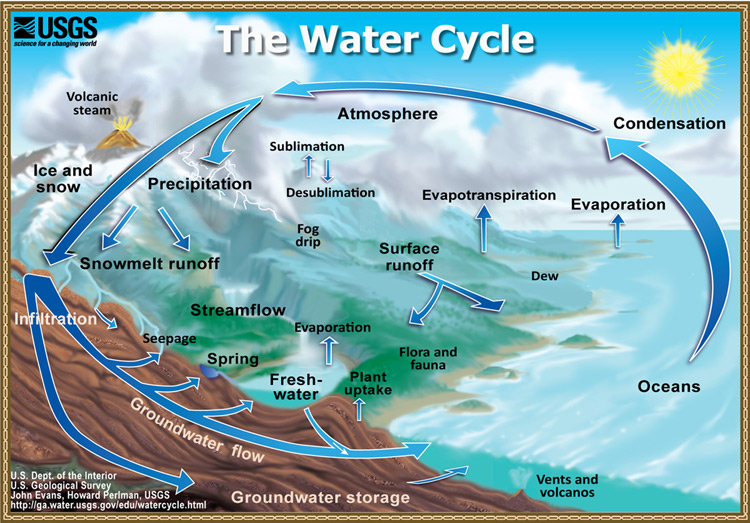 The
Hydrologic Cycle
The
Hydrologic Cycle
Water in aquifers comes from rain and melted snow that
filters through the soil. As the water moves down, plants consume a portion,
some is evaporated, and some is retained by the soil. The rest seeps downwards,
usually very slowly, to add water to the aquifer. This process is part of the
hydraulic cycle. The amount and quality of ground water varies from place to
place both within individual states and from state to state, because geology,
climate, and land use are different.
The quality of water from wells can
be influenced by:
Public education about
contamination, and community involvement in protecting aquifers, can help ensure
safe drinking water throughout the
How do we get Ground Water?
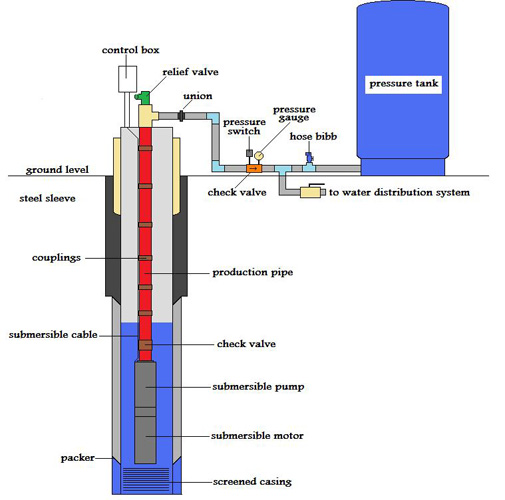
In most cases, a water well is needed to reach the
aquifer where ground water is found. Today, most wells are made by drilling into
the rock layers using drilling machines (rigs) to access water deep beneath the
surface. In most cases electric pumps are used to raise the water to the
surface.
The creation of a water well consists of several
elements. After selecting the site to drill the well, the process usually
included drilling, development, testing and equipment installation.
A water well is a specially engineered
hole in the ground. It should be located and constructed in a manner which meets
all the codes and guidelines. Proper construction and location is of most
importance, to help ensure safe drinking water. Your County health officers,
local code enforcers and ground water contractors can give you advice on proper
well location and construction.
How much Water do you need?
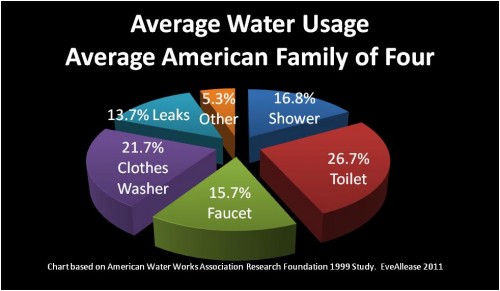
If you plan wisely, a good, dependable water
well can supply you with all the water you need now and in the future. A rule of
thumb is to allow for between 75 and 150 gallons per person per day. You need to
take into account the peak demand, for example, when there may be extra guests.
The amount of water expected for domestic supply is
usually 4-10 gallons per minute. However, with an adequate storage tank, a well
producing as little as one gallon per minute can be sufficient for domestic
needs. In many wells, several hundred gallons of water are already stored in the
well column. For every foot of a 6 inch diameter well below the water level,
there are about 1 1/2 gallons of water.
Outside use of water can pose much greater demands. You
need to calculate the required well yield if your well is needed for additional
water uses such as: swimming pool, lawn and garden irrigation, fire protection,
etc.
This information was obtained from pamphlets printed and copyrighted © by the: